To Buy Ventolin Online Visit Our Pharmacy ↓
 Travel Tips: Carrying Ventolin Safely Abroad
Pack Prescription and Original Inhaler Packaging Always
On my first trip I learned that carrying your prescription paperwork and the inhaler's original box prevents hassles. Airport staff appreciated clear proof and handled things smoothly.
Keep the prescription with the device and include dosage instructions. A simple printed note from your doctor eases conversations with security and foreign pharmacists unfamiliar with brands.
Photocopy or save a digital version of prescriptions and packaging photos in your phone. If the original gets misplaced, images still confirm authenticity and speed up replacements.
Store the extra paperwork where it's reachable during travel, not buried in checked luggage. This small step avoids confusion, ensures treatment continuity, and grants peace of mind.
| Item | Reason |
|---|---|
| Prescription | Clear ID at security |
Know Airline Rules, Security Checks, and Documentation
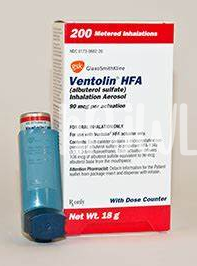
At the airport I felt the nervous flutter of travel and asthma, but preparation calmed me. Research each airline’s rules for inhalers, allowed canister sizes, and whether a medical note speeds screening. Keep device labels intact and carry the prescription with name matching your passport.
Inform security at the start of screening to avoid surprises; most agents are familiar with medicated inhalers but procedures vary by country. If asked, demonstrate the inhaler is for personal use and show a physician’s letter or translated script.
Photograph prescriptions and email copies to yourself before departure, so you can retrieve proof if originals are misplaced. Pack a clearly labeled ventolin and batteries for spacer devices to stay ready.
Carry Medications in Carry-on, Never Checked Luggage
Mid-flight uncertainty taught me a lesson: I always keep my inhaler within arm’s reach. Stashing ventolin in checked baggage risks delays, lost luggage, or crushed canisters; having it onboard means immediate access during attacks or temperature changes. Cold-sensitive aerosols may degrade in cargo holds.
Pack the inhaler in a clear, labeled bag alongside prescription notes and a spare battery-powered spacer if used. Inform cabin crew about your condition discreetly when boarding – they can help with storage or quick assistance. Labeling each inhaler with your name and flight details helps identify them if separated.
At security, present medications separately to speed screening and avoid confiscation; most airports permit rescue inhalers exempt from liquid limits but carry documentation. This small habit brings peace of mind, ensuring treatment is never at the mercy of baggage handlers or misplaced suitcases. Carry a photo ID.
Bring Extra Inhalers and Portable Cooling Options
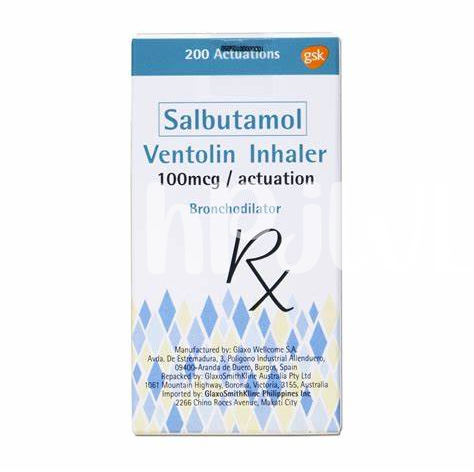
On my last trip a sudden flare reminded me how vital spares are; I carried two extra vents — including an extra ventolin canister — tucked in a labeled pouch. That precaution brought relief and eased my anxiety.
I also learned to protect doses from heat: a compact cooler sleeve, gel packs, and a battery-operated fan fit into my daypack. Check manufacturer temperature guidance so each inhaler stays effective during hot transfers.
I split my spares between carry-on and a day bag to reduce loss risk, keeping original packaging and expiration dates. Tell travel companions where backups are stored so help is close if breathlessness strikes.
Before departure I photographed prescriptions and emergency steps, then saved local pharmacy contacts offline. Keeping a working inhaler in my daypack and knowing how to improvise cooling kept me exploring confidently, even in sweltering climates abroad.
Translate Prescriptions and Emergency Instructions into Local Language
I once missed a phrase on a trip and learned to carry clear, translated notes for my inhaler. Short printed instructions in the local language explain dosage, when to use ventolin, and how to operate the device; showing them to clinicians or airport staff avoids confusion.
Have translations endorsed by your doctor and include emergency contact details, allergy warnings, and precise medication names. Carry both a printed copy and a phone photo so you can present official text to medical teams, pharmacy staff, or translators without relying on spotty internet access anytime abroad.
Practice a short phrase you can say aloud if your notes are unavailable—mention dose, symptom, and that you use ventolin. This small gesture often calms locals and speeds help; pharmacists or paramedics will appreciate concise, readable information during a stressful moment or provide brief written instructions quickly.
Plan for Emergencies: Locate Clinics and Pharmacies Abroad
When travel throws you into unfamiliar streets, identify nearby hospitals and urgent care clinics before symptoms strike, and note the nearest emergency number.
Save addresses, phone numbers, and opening hours in your phone and on paper in case battery or signal fails; also mark your embassy and local emergency services.
Learn the location of pharmacies that stock albuterol and whether a local prescription is required; some countries restrict inhalers.
Program emergency contacts, translate your diagnosis and medication instructions, and keep an extra inhaler ready. Pack an action plan. NHS PubChem