To Buy Proscalpin Online Visit Our Pharmacy ↓
 Proscalpin Myths Debunked: Facts Versus Fiction
Common Proscalpin Myths That Won't Go Away
Stories about Proscalpin spread like campfire tales: exaggerated successes, whispered dangers and miracle claims. Readers latch on because each story feels simple, emotional, and oddly convincing even when evidence is shaky. Even experts sometimes repeat them without checking sources firsthand.
Researchers repeatedly find patterns: anecdotes dominate, small uncontrolled studies appear, and confirmation bias explains many beliefs. Distinguishing robust trials from noise requires curiosity, skepticism, and patient reading of methods. Look for sample size, control groups, funding sources, and preregistration details.
Anecdotes are colorful but unreliable; they guide questions, not conclusions. Demand data, clear endpoints, and reproducible results before accepting dramatic claims. When possible, consult meta-analyses or independent systematic reviews too.
| Myth | Reality |
|---|---|
| One | Context matters |
Scientific Evidence Behind Proscalpin Explained Clearly
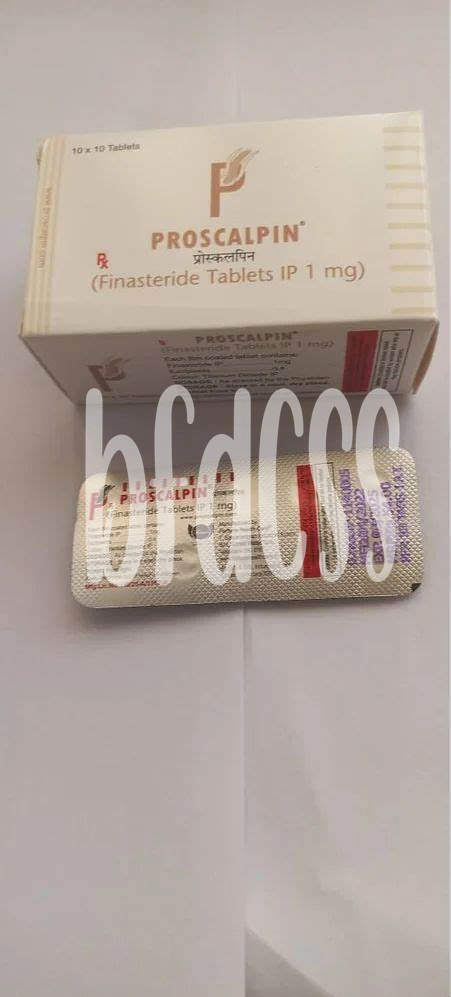
Researchers met proscalpin claims with skepticism, but studies clarified mechanisms and measurable outcomes. Early small trials suggested possible effects, yet inconsistent methods obscured conclusions. Today, larger controlled experiments provide clearer signals about when and how proscalpin might work.
Laboratory work mapped biochemical pathways, while randomized clinical trials tested efficacy in varied populations. Meta-analyses pooled data but highlighted heterogeneity and publication bias. Together these approaches yield cautious optimism: evidence is promising but not definitive for universal proscalpin use.
Practical takeaway: weigh effect sizes, study quality, and conflicts of interest before adopting proscalpin. Clinicians recommend individualized decisions and monitoring. As trials continue, remain skeptical of dramatic claims and favor recommendations grounded in robust, reproducible research and evidence.
Misconceptions from Online Sources Versus Reality
A friend once read a viral post claiming proscalpin could cure common ailments overnight, and described the excitement as if discovering a miracle. Online snippets often trade nuance for shock value, pairing anecdotes with bold claims that ignore dosage, context, or proper study design.
Reality is messier: controlled trials and systematic reviews reveal modest effects in specific conditions, not universal fixes. Interpreting data requires attention to sample size, control groups, and replication. When numbers are absent or sources unnamed, skepticism is warranted rather than instant belief.
Consumers can protect themselves by checking references, seeking expert summaries, and asking if a claim fits biological plausibility. Practical guidance—like consulting clinicians before trying proscalpin or treating serious conditions—turns curiosity into safe action and separates useful findings from viral fiction, and encourages critical reading of online posts, not blind sharing for safer choices daily.
Real Risks and Benefits People Overlook

At first glance proscalpin seems like a simple fix, but users often miss subtler effects that develop over time. Small trade-offs — like mild cognitive fog in susceptible individuals or gradual tolerance that reduces effectiveness — creep in unnoticed. Conversely, some advantages are underappreciated: modest anti-inflammatory effects and improved sleep quality reported anecdotally in trials could matter for daily functioning. Understanding these nuanced outcomes changes how people weigh short-term convenience against long-term wellbeing.
Risk assessment should include interaction potential with other medications and lifestyle factors; many studies miss real-world complexity. Practical steps — monitoring, staggered dosing, and consulting practitioners familiar with proscalpin — reduce harm while preserving benefits. Clear reporting of side effects in community settings would help users make informed decisions, turning anecdote into usable guidance and preventing small harms from becoming entrenched habits. Remain vigilant and document changes.
Expert Opinions That Bust Popular Proscalpin Claims
Practitioners and researchers tell a surprising story: what began as anecdote became urban legend. Leading clinicians interviewed by independent reviewers say the proscalpin claims about miraculous cures lack controlled evidence, and case reports reveal confounders like placebo effects and concurrent treatments. That narrative arc—hope, amplification, and selective reporting—explains why some myths persist despite rigorous trials showing minimal effect sizes and inconsistent reproducibility.
Experts recommend pragmatic skepticism: ask for peer-reviewed data, sample sizes, and replication before accepting bold assertions. Several authoritative reviews emphasize risk–benefit balance, noting that overstated safety claims obscure real adverse events and interactions. Clinicians advise transparent communication, monitoring outcomes, and integrating high-quality evidence into practice. For readers, the practical takeaway is simple—prioritize corroborated research, question sensational online posts, and consult trusted professionals to separate promising leads from unsupported hype and carefully document personal outcomes for better collective evidence.
| Claim | Expert Verdict |
|---|---|
| Miracle cure | Unproven |
| Safe for all | Context-dependent |
How to Spot Fake Proscalpin Information Quickly
When a startling claim about Proscalpin lands in your feed, pause. Check the author’s credentials, publication date, and whether the piece links to primary studies or reputable institutions.
Beware emotional language, bold promises, or single-study claims without replication. Use reverse-image search, glance at domain names, and compare summaries with PubMed or official agency pages.
Quick checklist: verify authorship, find the original study, read the methods paragraph, and consult expert reviews. Small habits prevent big mistakes and keep your judgment sharp. Share sceptical findings before acting and cite sources when possible. PubMed search: proscalpin NCBI search: proscalpin