To Buy Ozempic Online Visit Our Pharmacy ↓
 Ozempic Myths Debunked: Separating Fact from Fiction
Myth: Ozempic Is Just a Weight Loss Shortcut
A neighbor began weekly injections expecting instant transformation, but the first months taught a different lesson. As a GLP-1 receptor agonist, Ozempic reduces appetite, slows gastric emptying and improves blood sugar — physiologic effects, not magic.
That doesn’t make it a shortcut. Medication amplifies calorie regulation and craving control, but durable loss usually follows diet changes, activity shifts and behavioral support. Stopping the drug often brings some weight regain without those habits.
Clinicians use it as one tool among many, tailoring dose and duration to goals and risks. Patients report meaningful improvements in health markers and confidence, but informed expectations and ongoing support are essential for long-term success, beyond aesthetics and vanity.
| Fact | Evidence |
|---|---|
| Notes |
Does Ozempic Cause Permanent Metabolic Damage?
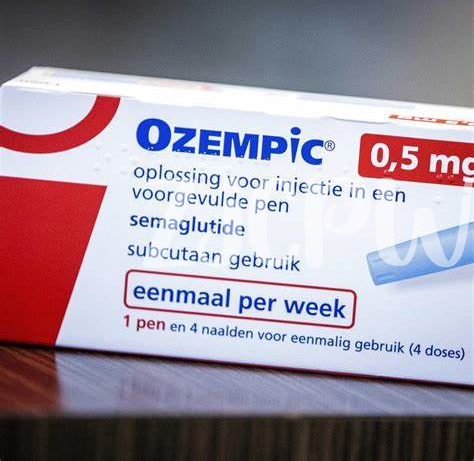
A friend described rapid changes after starting ozempic, a dramatic narrative that sparks questions. Personal stories matter, but single experiences don’t establish long-term metabolic outcomes or permanent harm.
Mechanistically, GLP-1 receptor agonists alter appetite and glucose handling; these are pharmacologic effects that typically reverse after stopping treatment, rather than causing irreversible metabolic injury according to current evidence.
Clinical studies and registries have not demonstrated clear permanent metabolic damage from ozempic, though weight often returns when therapy stops and long-term follow-up continues to be important for patients.
Practical advice: discuss goals with clinicians, monitor glucose and nutrients during treatment, pair medication with lifestyle measures, and plan a supervised discontinuation if concerns about lasting effects arise promptly.
Cancer Risks: What the Evidence Actually Shows
Reports linking ozempic to cancer sparked alarm, but headlines often outpace research. Early animal studies showed signals at high doses, prompting careful human investigation rather than definitive conclusions and scrutiny.
Large human trials and registries have not demonstrated a consistent increase in cancers; rare thyroid C-cell tumors seen in rodents have not translated to humans. Clinicians weigh benefits and surveillance.
Patients should discuss personal risk factors and screening history before starting ozempic; physicians monitor symptoms, use evidence-based guidance, and adapt therapy when uncertainty or new data emerge to protect safety.
Is Ozempic Addictive or Just Habit Forming?

Patients often ask whether a medication that reduces appetite becomes addictive. Ozempic acts on GLP-1 receptors to slow gastric emptying and curb cravings, which biologically differs from substances that hijack dopamine pathways.
Some people report withdrawal-like feelings after stopping: hunger increases and weight often rebounds. That pattern reflects physiological adaptation, not the compulsive drug-seeking and loss of control that define addiction.
Clinicians recommend framing therapy as part of a broader plan: set realistic goals, include behavioral counseling, and have a withdrawal strategy. When used appropriately, ozempic is a tool to support metabolic health rather than a substance that creates psychological dependence; monitoring and support are key to safe, sustained benefit. Patients deserve honest, individualized guidance.
Side Effects Versus Benefits: Real World Patient Experiences
I met a patient who described steady weight loss but occasional nausea; her story shows how ozempic can be life-changing yet imperfect. Many report better energy and confidence.
Clinically, benefits include improved glycemic control and reduced cardiovascular risk markers, while common side effects—nausea, constipation, injection site reactions—are usually transient. Serious adverse events are rare but warrant vigilance.
Longer-term registries reveal many patients maintain weight loss when lifestyle changes accompany treatment; others stop due to intolerance, highlighting personalized risk–benefit decisions. Real-world data complement trials, capturing adherence and quality-of-life shifts.
Shared decision-making, monitoring, and realistic expectations turn individual stories into safer outcomes; clinicians should document effects, adjust dosing, and respect patient preferences. Patient stories shape clinician judgment.
Access, Price, and Ethical Concerns Around Prescribing
Patients describe the thrill of a treatment that transforms life, yet many hit barriers: limited supplies at pharmacies, insurance denials, and pricing that forces impossible choices. Clinicians juggle guidelines, patient need, and manufacturer access programs, trying to avoid favoritism. This patchwork system leaves some people treated quickly and others waiting, creating tension between clinical benefit and availability.
Ethical dilemmas aren’t abstract: should prescribers prioritize those with greatest medical need, or respond to patients who can pay out of pocket? Transparency about eligibility criteria, fair allocation policies, and advocacy for broader coverage are steps. Policymakers, clinicians, and patient groups must collaborate to ensure equitable distribution so benefits don’t become privileges limited to the well-connected or well-resourced.