To Buy Arimidex Online Visit Our Pharmacy ↓
 Bone Health While on Arimidex: Prevention Tips
Know Your Risk: Bone Loss from Arimidex
Starting an aromatase inhibitor can feel like stepping into a new chapter — effective cancer care often carries hidden effects. One of the most important to watch is bone thinning caused by lowered estrogen. For many, the risk rises gradually, so early awareness makes prevention possible and practical.
Talk with your oncology team about baseline bone density and personal factors like age, family history, fractures, smoking, steroids. Blood tests and scans tell a clearer story than assumptions, helping tailor monitoring frequency and interventions to your specific profile.
Understanding risk empowers practical steps: calcium and vitamin D, regular weight-bearing movement, and bone-protecting medications when warranted. Keep records of scans, ask about fracture prevention, and treat bone health as part of your long-term survivorship plan — small actions add strong protection. Discuss timing and options openly with your care team every single visit too.
| Factor | Why it matters |
|---|---|
| Age | Higher baseline risk |
Daily Calcium and Vitamin D: Simple Prevention Plan
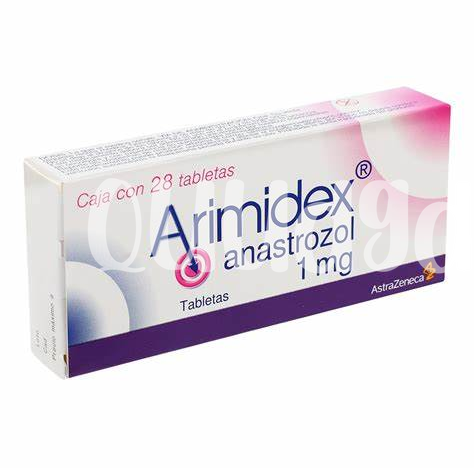
After starting arimidex, I learned how small daily choices add up: aim for 1,000–1,200 mg of calcium and 600–800 IU of vitamin D daily (your clinician may recommend more). Get calcium from dairy, fortified plant milks, tofu, leafy greens; choose vitamin D through sun exposure, oily fish, or a supplement if levels are low.
Take calcium with meals for better absorption; separate high-dose calcium from iron supplements. Vitamin D is fat-soluble, so take it with a meal containing healthy fat.
Have your vitamin D level checked and discuss personalized dosing with your oncologist or endocrinologist. Also consider a calcium citrate option. Consistent, simple habits support bone strength while on therapy and reduce long-term fracture risk.
Move to Protect: Weight Bearing Exercises for Strength
When I started arimidex, I learned quickly that gentle movement could feel like armor. Walking, stair-climbing and light dumbbell routines are simple, repeatable weight-bearing activities that stimulate bone remodeling; aim for 30 minutes most days and include short resistance sets twice weekly. Progressively increasing load, using resistance bands or bodyweight moves, encourages microtrauma that rebuilds bone while remaining safe; start light, monitor soreness, and stop if pain persists to avoid injury.
Balance and posture work—single-leg stands, heel-to-toe walks, and tai chi—reduce fall risk while strength training preserves density. Discuss safe progressions with your clinician or physical therapist so exercises match your health status and protect long-term bone strength. Consistency over time yields the best results.
Track Your Bones: Dxa Scans and Biomarkers Schedule
Picture your bones as a ledger you review regularly; when starting arimidex, getting a baseline DXA scan within months gives a clear starting point. Most clinicians repeat DXA at one to two years, then every one to two years if scores change or risk rises. If bone density is stable, intervals can lengthen; if it falls, earlier action is needed.
Blood biomarkers like serum CTX and P1NP, plus calcium and vitamin D levels, give faster feedback between scans to guide decisions. High-risk patients or those with rapid loss should be monitored more often and discuss antiresorptive therapy. Coordinate with your oncology and bone teams and let trends — not a single result — direct care.
Lifestyle Tweaks That Lower Fracture Risk Every Day
When taking arimidex, small daily choices add up. I learned to treat bone health like a garden: steady watering and careful pruning keep fragile stems strong. Prioritize consistent sleep, a fall-proof home, and ankle-strengthening steps to improve balance. These habits reduce microtrauma and the chance that a minor stumble becomes a fracture.
Add vitamin D and calcium at times that suit your routine; avoid heavy drinking and quit smoking to protect bone remodeling. Practice strength moves twice weekly and test your home for trip hazards. Talk with your oncologist about how lifestyle pairs with medications to lower fracture risk.
| Habit | Why |
|---|---|
| Daily walk | Improves balance and bone load |
| Evening stretch | Reduces falls, aids posture daily |
Talk Treatments: Bisphosphonates, Alternatives, and Shared Decisions
When bone density falls, clinicians may recommend bisphosphonates to slow loss and lower fracture risk. Explain how they bind bone, typical schedules, and common adverse effects such as jaw issues or renal considerations. Framing risks versus benefits helps patients feel informed and in control meaningfully.
Alternatives include denosumab, SERMs, and hormone strategies; each has tradeoffs in efficacy, side effects, and convenience. Discuss monitoring plans, fracture thresholds for starting therapy, and your values with the team so treatment choices align with life goals and long‑term bone health and reduce future risk. NCI: Anastrozole FDA Prescribing Information: Arimidex